
About Diwa Fun
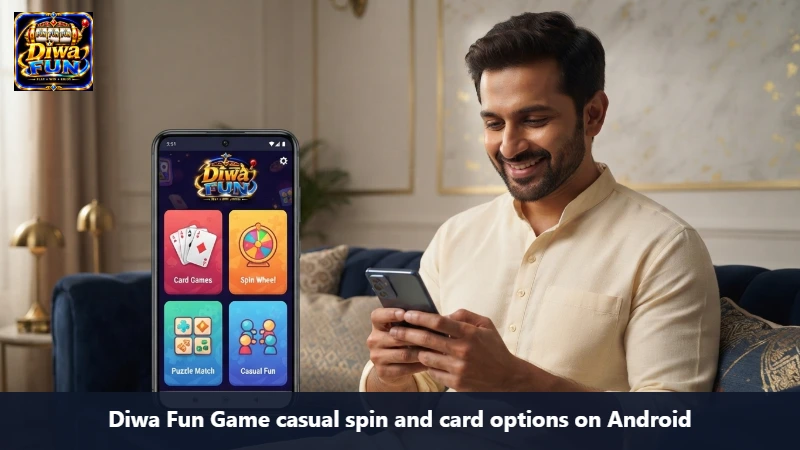
Diwa Fun is built around a mobile-first gaming experience, so understanding the platform means looking at more than the game lobby. A normal user journey can include opening the site in Chrome, installing an Android app, signing in, switching between game categories, checking a promotion, returning to the account area, and contacting support if something does not behave as expected. This page explains how those parts connect so a new visitor can understand the platform and a returning player can recover quickly when a mobile session changes.
The most useful way to think about Diwa Fun is as a set of connected layers: access, account, app, lobby, promotion, transaction status, and support. Each layer has a different job. When users know which layer they are dealing with, common problems become easier to solve without creating duplicate accounts, downloading multiple APK files, or repeating the same action several times.
What Diwa Fun Is
Diwa Fun is a mobile gaming platform designed for users who prefer to access games from a phone. The platform experience should make it easy to move between the homepage, app access, account login, game lobby, promotions, and support without forcing users to guess what to do next.
A first-time visitor usually wants to understand three things quickly: what the platform is, how to access it on mobile, and where to find the game or feature they searched for. A returning user usually has a narrower goal, such as signing in, opening the app, checking a game, reviewing a bonus, or solving a loading problem.
The platform therefore needs to support both discovery and recovery. Discovery helps new users understand the available sections. Recovery helps returning users continue after an interruption such as a browser reload, app update, expired login session, or network switch.
How Mobile Access Works
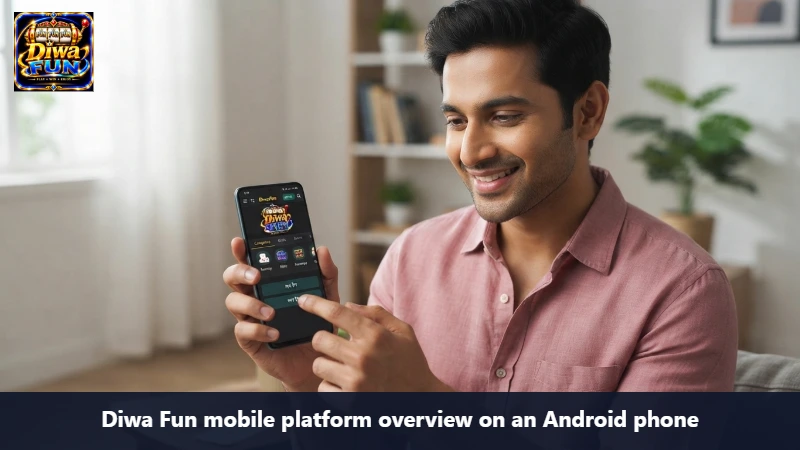
Diwa Fun is primarily a mobile experience, and that means normal phone behavior can affect the session. Android may close an app in the background when memory is low. Chrome may reload an older tab. A phone can switch from Wi-Fi to 4G or 5G. Autofill can insert an old password. A downloaded APK can appear twice if the download button was tapped more than once.
These situations can look like platform errors even when the account itself is still fine.
If a browser tab reloads, return through the same verified access point. If the app closes in the background, reopen it and use the same account. If the network changes, let the connection stabilize before trying the same action again. If the APK appears more than once in the Downloads folder, compare file names and timestamps before opening a copy.
The important principle is continuity. A temporary mobile change should not automatically cause a new account, another download, or a repeated transaction.
App and APK Access
When the Android version is provided through an APK, the installation process should stay simple and controlled.
Before downloading, check the source, file name, available storage, and whether a working version is already installed. If the current app works, keep it until the replacement file has been confirmed. After downloading, open the Downloads folder and verify the intended file. If Android requests permission to install from the current browser or file manager, allow only the source you are actually using.
After installation, open the app before deleting the older version or duplicate files. If the app opens normally, continue with the existing account when applicable. If it fails, check storage, file completion, installation permission, and version conflict before starting over.
An update should not automatically be treated as a reason to create a new account.
Why Account Continuity Matters
The account connects the mobile session to login, promotion status, game access, support context, and transaction history. Keeping the same account path makes every later action easier to understand.
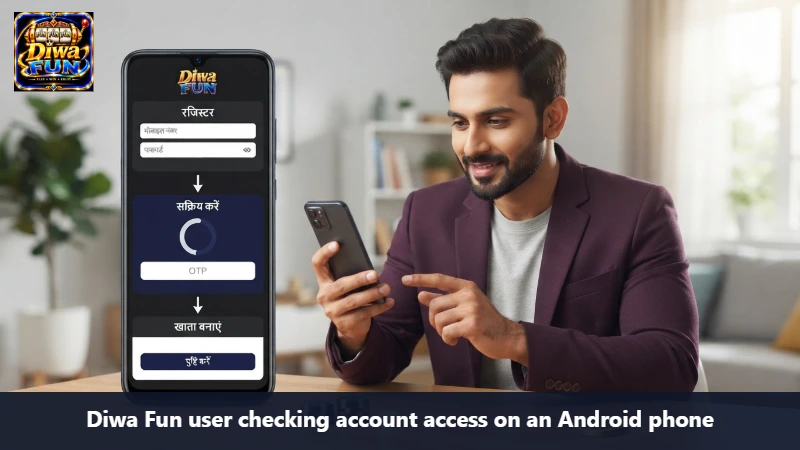
Common login friction includes an old password saved in autofill, a delayed OTP, an expired session, or a network change that returns the app to login. These are usually account-session issues rather than reasons to register again.
If login fails, try the smallest fix first. Type the current password manually, wait for the newest OTP, reopen the same app or page, and use account recovery if the password is genuinely forgotten.
Users should never share passwords, OTP codes, recovery codes, or payment verification codes with support.
How the Game Lobby Should Be Used
The lobby is more than a list of game icons. It is a decision area.
A useful game choice starts with the type of session the user wants. Short-round games fit quick sessions. Card or table-style games may need more attention to rules and decisions. Reel-style games usually focus on symbols, spins, and short rounds. Quick-game formats can be simpler to understand but may move faster.
The best approach is to choose a category first, then open one game and check the controls. If the format does not fit the available time or attention, return to the lobby instead of opening several titles at once.
Mobile performance also matters. A game can be suitable in theory but frustrating on a phone that is low on memory or using an unstable connection. If a game screen keeps loading, wait for the current request, check the network, close unnecessary background apps, and reopen the same game once.
Previous outcomes should never be treated as a reliable prediction for the next round.
Promotions Need Verification
A promotion should be read as a set of conditions, not just a banner.
Before claiming or using an offer, check who is eligible, whether activation is required, which games are included, how long the offer remains valid, and what conditions apply before withdrawal. If the promotion is already visible in the account, verify the current status before pressing the claim button again.
Mobile reloads can create confusion here. A browser page may disappear after the user switches apps, but the claim may already be recorded. When that happens, open the account area and check the current status before repeating the action.
A bonus should also remain optional. If the terms do not fit the game or session the user planned, there is no need to use it.
Transaction Awareness on Mobile
If real-money features are available, transaction screens can be interrupted when a wallet, bank, or another app opens. When the user returns, the original screen may have reloaded or disappeared.
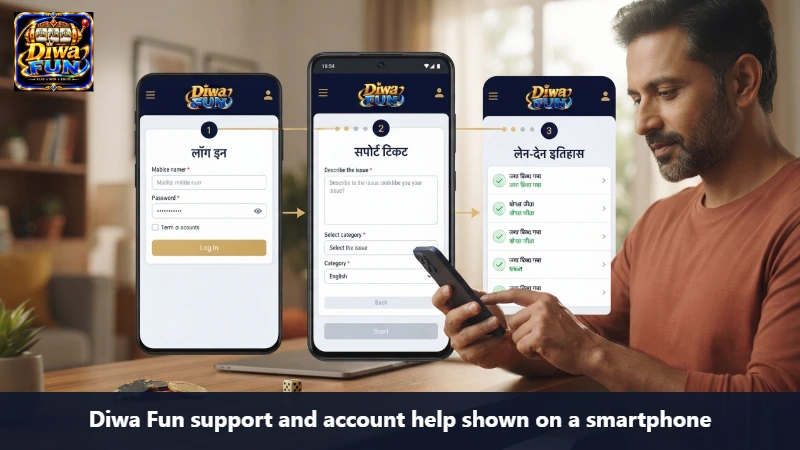
The safest sequence is to check account or transaction history first. Look for an existing pending or completed request. Keep any reference or status shown. Follow the same request rather than submitting another one immediately.
A missing confirmation screen is not enough evidence that a transaction failed.
This is especially important on Android because app switching and background reloads are common.
Support Should Follow the Timeline
A clear support request is easier to understand than a message that only says the app is not working.
Useful details include what the user was trying to do, which screen showed the problem, whether the network changed, what steps were already tried, and whether the account or transaction history shows a record. The approximate time can also help support understand the sequence.
Sensitive information should never be included.
A good support message explains the timeline without exposing passwords, OTP codes, or payment verification information.
Security in Everyday Use
Account security is part of normal platform use, not only a policy topic.
Users should verify the page before entering login details, avoid saving credentials on a shared device, and keep OTP codes private. If an external download page or payment page looks unfamiliar, stop and verify the source before continuing.
Similar names, colors, or logos are not enough to confirm that an external page is controlled by Diwa Fun.
The safest habit is to use a verified access path and keep that path easy to find for future sessions.
Responsible Play
If real-money gaming is available, it should only be used where permitted and by users who meet the applicable age requirement. Gaming should remain entertainment rather than a guaranteed source of income.
A practical session starts with a time limit and a spending limit. If the session becomes frustrating or the user feels pressure to recover a loss, stop instead of increasing the amount or extending the session.
Past outcomes do not change the uncertainty of future results.
What a Good Diwa Fun Session Looks Like
A good mobile session is not necessarily one with no interruptions. Phones can reload and networks can change. What matters is whether the user can recover without confusion.
The correct account remains accessible. The app or browser path is known. The game lobby is understandable. Promotion status can be verified. Transaction history is available when needed. Support can be reached with a clear timeline.
That continuity makes the platform easier to use over time.
Frequently Asked Questions
Conclusion
About Diwa Fun is best understood as an explanation of how the mobile platform fits together. Access, app installation, account continuity, game choice, promotions, transaction status, support, and security all connect to the same user journey. The most useful habits are simple: use a verified access path, keep the same account when possible, check the current state before repeating an action, and treat mobile reloads as something to verify rather than a reason to start over. When users understand that flow, Diwa Fun becomes easier to navigate, easier to recover, and more predictable across different mobile sessions.
18+ Safety Notice
Adults 18+ only. Use Diwa Fun only where that lobby is lawful.